
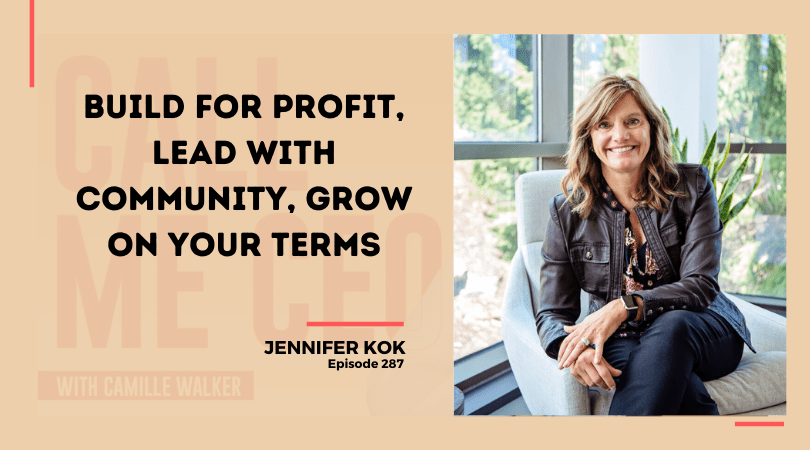
Building a business while raising a family is a high-wire act that demands clarity, courage, and structure. The conversation with Jennifer centers on profit-first thinking without sacrificing presence at home. Her story begins with a newborn in a carrier and a bakery to launch, a season that exposed both grit and gaps. The first hard lesson: your why must be strong enough to carry you through sleepless weeks and uncertain cash flow. The second: build your village early. A personal board of directors—the Fab Five—anchors decisions, calms panic, and opens doors. Each role matters: an industry peer for relevant insight, an operator outside your niche for pattern recognition, a wiser mentor to steady your hand, a younger voice to push innovation, and a confidant to let you process without judgment.
Profit is the north star, not vanity revenue. Jennifer urges founders to shift from emotion-led pricing to data-driven decisions. Track time, tally delivery costs, and protect gross margins at 50 percent or higher where feasible. One client discovered a package was paying her two dollars an hour; the fix began with time tracking and re-pricing. Another realized that more SKUs meant more confusion and less profit; trimming from seventy-two products to sixteen grew both revenue and margins. Annual price reviews protect against creeping supplier costs, and waitlists are a clean signal to raise fees. Most importantly, growth should match your capacity. A mom working three days a week can still be profitable with the right price, offer, and client fit. Manage expectations in a comparison-heavy world by measuring against your runway, not someone else’s highlight reel.
Marketing works best when it respects your limits and your lane. For local service businesses, referral marketing often beats paid ads, converting warmer leads at lower cost. That requires a system: monthly touch points that add value without selling, plus a CRM or even a simple spreadsheet to remember names, notes, and next steps. Niche positioning reduces noise and makes you memorable. You do not have to serve everyone. Become the “shot of whiskey” for a focused group—an industry, a distinct client archetype, or a thought-leadership angle. Jennifer sold gifts, not cookies; that shift won corporate orders and repeat business. A photographer who chose real estate over everything else quadrupled revenue, saved five hours a week, and knew exactly where to show up.
Sales is service when done well. Many women avoid follow-up for fear of pestering, but the fortune lives there. Build a humane cadence across email, text, and the occasional handwritten note. Keep going until you receive a clear yes, no, or not yet. In the quiet between messages, don’t invent a negative story; people are simply busy. Lead with curiosity, ask better questions, and let prospects talk more than you do. Pair that with firm personal boundaries: choose your best yes, be present where your feet are, and use tools like Do Not Disturb to protect family moments. Involve your kids where you can—parades, samples, or even a family fun fund tied to monthly profit—so the lessons of grit, service, and resilience become a shared legacy. Jennifer’s nine pillars—revenue, ideal customer, referrals, messaging, systems, sales, impact, team, and net profit—form a house you can live in and later sell. Build on purpose, price with courage, and let community be your strategy.
Resources:
Website https://nextwavebusinesscoaching.com/
Free Resource: 3 Steps to Boosting Profits in Your Small Business
Need a CRM System. I highly recommend FG Funnels
The Ultimate Time Audit & Productivity System (Freebie)
Grab it here: TIME AUDIT WORKBOOK
How to Hire Your First VA for $27
Get it now: GROWTH CHEATSHEET
Discover Your WHY – Free 5-Day Workshop
Sign up for free here: DISCOVER YOUR WHY
The Mom Balance Playbook (Freebie for Managing the Mayhem)
Download here: MOM BALANCE PLAYBOOK
Hire a VA or start your VA business here: https://camillewalker.co/
5-Minute Meditations for Kids Podcast
Listen & subscribe here: APPLE SPOTIFY
Top 100 Mompreneur Podcasts: https://podcast.feedspot.com/mompreneur_podcasts/
Connect with Camille Walker:
Follow Camille on Instagram: www.instagram.com/CamilleWalker.co
Follow Call Me CEO on Instagram: www.instagram.com/callmeceopodcast
Jennifer: 0:00
Find somebody who's been there done that a little bit older, a little bit wiser, because they're going to be that calming presence in your life. So when something happens in your business or you have an idea, you're not sure what to do with it, you can bounce it off of them, they can guide you.
Camille: 0:21
So you want to make an impact. You're thinking about starting a business, sharing your voice. How do women do it that handle motherhood, family, and still chase after those dreams? Listen each week as we dive into the stories of women who know. This is Call Me CEO. Welcome back, everyone, to Call Me CEO. This is Camille, your host, and here we celebrate women building businesses, particularly the strengths and the challenges that come when you are running a business as a mother. And today is no exception to that. We are speaking with Jennifer Koch, and she is a woman who has built many businesses and helped others to build theirs as well. When Jennifer's not meeting with clients, she is an adult that likes to play pickleball, babysit her grandchildren, sip coffee, chatting with her girlfriends. We just both found out we're skiers and snowboarders alike. But what's really neat and what she's going to share with us today is how she built her proprietary nine-pillar blueprint to help entrepreneurs increase revenue, boost profits, and achieve double-digit growth. This is a big deal. But for us, specifically as mothers, we wanted to talk about how this comes with the push and pull of being a busy mom. It doesn't, the same rules don't apply to everyone else. And so, how do you turn it around so that you can still feel like you're balancing without the burnout? So we're going to talk about profit in a fun way today, ladies. Thank you so much, Jennifer, for being on the show today. Thank you for having me. I'm really excited to be here. Yeah. So tell our audience a little bit about you, where you live, and you're, we talked about this a little bit before, but I'd love for them to get to know you a little bit.
Jennifer: 2:06
So I am in Grand Rapids, Michigan, and we were just talking about the lack of snow. We're recording this in January. Yeah. And we are in a season of lack of snow as well. But I'm a Michigander. I haven't always lived here, but have been here the last 27 years. And my story into entrepreneurship was a little, you know, your pretty normal path. You know, you grow up as a little girl, kind of following the path that what you're told. You go to school, do your thing, go to college, got a corporate job. And I loved my corporate job. And we I was in uh corporate for about 10 years. And our oldest daughter at the time was three. And back then, in order to move up the corporate ladder with who I was working for, you had to relocate. So my husband and I had moved three times in six years. And after the third move, I said to him, you know, I don't want to keep doing this to our children. We had one daughter at the time and to her and future children. It's not really fair to your career. This isn't for me. And, you know, for some women it is, but for me, I just had this inkling, this nudge. And so I decided to become an entrepreneur. Had no idea what was involved with entrepreneurship. I thought, oh, I got this. I'm in sales and marketing, no problem. So I found a franchise called Cookies by Design. And we moved back to Grand Rapids, Michigan. We were living in Chicago at the time. And I bought into this franchise and I started my first business in August 17th and two days later delivered my second daughter.
Camille: 3:37
Wow.
Jennifer: 3:38
When I was making the plans to open this business, I didn't know I was pregnant, found out I was pregnant, thought, ah, no problem. We'll be open in June. We'll have all this. I had no idea what I was getting into. I had no idea how long it was going to take to build out a bakery. And we were a full-on bakery. So that was how I got started in entrepreneurship. And it was ridiculous. My husband picked me up from the hospital with cookie bouquets in the back of the car that we had to deliver on our way home. I got up the next morning with my baby girl and went into work because I had to build a business. I had loans. I had two new employees. So there we were, her and I together. She was in a little baby carrier in front of me, and that's how I got started. Thankfully, the grace of God and everything else, I managed and owned that business for 20 years.
unknown: 4:25
Wow.
Jennifer: 4:26
Which only one out of 10 people survived that long. And I didn't realize that at the time because I think at the time I was too tired to do anything different. I just kept grinding and just kept, you know, let's just go. We're going to make this happen. But reflecting back on that, that was quite an accomplishment. And so many things that I loved about it. I have three children. So I was building a business and building a family at the same time. And I ended up selling it in the fall of 2018, which I mentored my manager. She bought it for me, which was such a legacy to my family to build a business that you can turn around and sell someday. And now I am a business consultant and I love working with women entrepreneurs who are building businesses and building families. And I focus on all the mistakes I made so that I can help you not make those mistakes. And I focus on profit because revenue is a fun number, but profit is what you take home every month.
Camille: 5:22
Yeah. So let's talk a little bit about that with you having these babies, building this business. What was the most challenging thing about keeping it going when you had so many demands thrown at you? Especially, I mean, you were right in the thick of it. You had just had that baby. So what was it? How did you keep going when the heart hit? Because I'm sure there are many, many stories you could share.
Jennifer: 5:44
Oh, yeah. I mean, we could be here for hours with all the ups and downs of entrepreneurship. Um, you know, that's a that's a big question, right? Because during those 20 years, I weathered a lot of different things. But I think what keeps you going, you know, you have to be, you have to start with your why. And I know that's a common thing that we hear. It starts with why. An author, Simon Sinek, you know, he he quoted it. But it's true because when you are an entrepreneur, you don't have a boss, you don't have anybody telling you what to do. You are creating the system as you go, you are creating and building as you go, and you're also building a home. So not only are you domestic engineer at your own home, and then you're also founder, owner, operator in your business. So in essence, you're building two different things. And you have to be so firm in why you're doing this. And, you know, when I was after I started the business, I was about 12 weeks in, and I I broke down. I at that up until that point, I was on autopilot. You know, I was nursing, changing diapers, burping, making cookies, delivering cookies, repeat. You know, it was it was just a crazy time. I didn't have time to do anything else. Well, about 12 weeks in, I can remember coming home, and the only place I could find quiet in my home was in the bathroom. I went into the bathroom, locked the door, curled up in a ball, and just cried. And I was exhausted. I didn't have a maternity leave. I was just, you know, I had nothing left in the tank. And I remember after I had my pity party, I thought, okay, well, I can go back to corporate. I'm, you know, very marketable. I can go get a job. I can go back, but I had to go back to my why. And my if I go back to corporate, I was gonna go back to the long days, the 50-hour weeks, the relocation, and I didn't want that for my family. So I had to, that was my first pivotal moment of how do you keep going? And then along the way, lots of things, lots of wins, lots of pitfalls. And what I learned next is it's really about the who's. You know, we talk about it takes a village, right? You hear that phrase a lot for raising children. Well, it takes a village in your business too. But for some reason, as entrepreneurs, I don't know if it's a little bit of pride or a little bit of stubbornness, we get this thing where somebody will say, Well, how's business? And we'll be like, Oh, it's great. You know, our voice goes up a couple octaves. Oh, no, everything's great. Everything's fine. We have to quit acting like it's all good because we know there's good days and we know there's hard days. And you need people in your corner and you need strategic people in your corner.
Camille: 8:30
Yeah, I agree with that. I mean, building a team and knowing that you're not the best at doing every single piece of the business is key for success, I think. What was a pivotal hire or adjustment you made that really helped you to flourish in your business?
Jennifer: 8:46
Well, the funny thing about my business is I started a bakery and I really didn't enjoy baking. So I immediately hired people that could do the product work, and that gave me the freedom to do what I was good at, and that was sales and marketing. And so I immediately went after corporate orders because that was recurring revenue that would keep coming back in my doors. So that was really key for me. But as far as who I surrounded myself with, it wasn't just people I hired. I think successful businesses and how I got to 20 years is I created my own personal board of directors. You know, nonprofits have board of directors that they run their ideas by that, you know, they bounce everything off of. Well, as an entrepreneur, it's lonely at the top. And my husband is my biggest cheerleader, but he's not entrepreneurs, so he can't always help. He can't, he doesn't always get it. My girlfriends, my biggest fans, I'll go have a glass of wine with me any night of the week, but they're not entrepreneurs. So you need people in your camp that are not inside your business, but are going to help mentor you, they're going to help advise you, or they're just going to let you vent. So I call it my Fab Five, and they're these personal board of directors that each entrepreneur needs. And I can take you quickly through them if you'd like.
Camille: 10:06
Yeah, I would love that. And also I'm curious, are they each other's board, or are they just your board? Or are you doing it for each other? It's like a networking type situation.
Jennifer: 10:18
Um, yes and no. Yes, absolutely. Um, because you want to deepen those relationships, but it really just depends. So I feel like the people that you need in your life are somebody in your industry. And it's funny because years ago, when we started businesses, it was a very competitive environment. I can remember I started a cupcake brand in 2008. I was 10 years into my cookie brand, and I ended up starting a cupcake brand that I ended up franchising. And I can remember when we were building out that cupcake brand, I was very secretive. I was spying what the other cupcake companies were doing in the area. Well, those days are gone. We are now collaborative. We are all about, you have to be collaborative. So I believe find people in your industry because you're gonna help support each other. There's enough business for everyone to go around.
Camille: 11:08
Yeah, I love that.
Jennifer: 11:09
And then the second person in your group is somebody outside of your industry that has just run a business and gets it, kind of understands what you're doing. And then I say, find somebody who's been there, done that, a little bit older, a little bit wiser, because they're gonna be that calming presence in your life. So when something happens in your business or you have an idea, you're not sure what to do with it, you can bounce it off of them. They can guide you. And then that fourth person needs to be somebody younger because it's very easy to get kind of stuck in your ways and get very comfortable with your business. And the younger people have a way of kind of sparking innovation in you.
unknown: 11:48
Yeah.
Jennifer: 11:49
You know, for me, I have two grown daughters now. They're my inspiration and keep me up to date on what's happening. You know, I always joke with them, keep me relevant, you know. Yeah, and so you need those people in your life. And then the fifth one is you need that confidant that's just gonna let you cry, gonna let you high five when you have a really good win. They're just gonna be there for you. They're not gonna judge you. They're maybe not even gonna say anything, they're just gonna listen. And that's so important because I think what's hard about when you're isolated building a business, you can overthink everything. And then the mental load gets to be too much, and that's when we start to burn out and we start to question our decision. And that's partly what leads to only one out of two businesses make it five years.
Camille: 12:34
Ah, I agree with this so much. And I love the idea that not one person can fulfill all of those roles that you really have to surround yourself with the five. What did you call it? The power five. I call my fab five. It's like your five. Yeah, it's like your personal board of directors. I love that. I even feel like my sister is one of those people for me that if we have a massive success or win, she can tell me or I can tell her. And she, her business is way bigger than mine, massively so. And she can tell me their revenue and how they've grown and brought in, they now run eight businesses under the umbrella of their one. And she can tell me exactly what it looks like. And I am so genuinely thrilled for her. And she's told me, I love that I can be honest with you about the wins because you don't want to come across as braggy or that you think you're better or whatever the thing is, but also with that level of success comes really hard challenges too, like being sued or going through really devastating losses. And I love that I can be that safe space for her and she can be that space for me too. Yeah, that's great that you guys have each other. Yeah, well, she's awesome. So I love hearing about that. Thank you for that idea. And also I think keeping young people in your corner is huge. I love all of it. The older, the younger, we just need a little bit of everything. I think that's actually I'm gonna go back and write those down because I love that so much. Make sure I have them all filled.
Jennifer: 14:07
There you go. Find find the right people.
Camille: 14:09
Don't rush into it. Find the right people.
Jennifer: 14:11
And then you can be, like you said, be those people for them too.
Camille: 14:16
And I think so often, too, if you're looking at business growth as a collaborative effort with like being around people that are it's about rising tides. I don't hopefully for you, if you're listening to this and you're thinking, who are those people for me? I hope that that mindset is one you've already adopted. I would imagine it is. It's really just identifying it and using that as a power resource for when you are feeling that depletion or feeling like I have to do it all.
Jennifer: 14:42
Exactly. You know, I say community isn't a luxury in business, it's a strategy. And you need your community, just like we do at home, raising our children and, you know, all of that at home as well.
Camille: 14:54
Yes, I agree. It's interesting. The next question I was actually gonna ask you is about how only 10% of small boat business owners can successfully sell their businesses. And what do you think goes wrong when trying to build something that lasts? And would you say that that's the answer to that, or would you say something different?
Jennifer: 15:13
I mean, there's a lot of elements. One of the main reasons that businesses struggle is cash flow. And it's very easy to get caught up in revenue and caught up in our sales process, and especially for women, I see this a lot. So I work with service-based entrepreneurs, and a lot of these women might be pricing their time, pricing their service, and we struggle with that because we're heart-centered, we're givers, we're fixers, we just want to help, we're people pleasers. Well, at the end of the day, a business that's making good money is gonna go on to do great things. And if you're giving away your services without looking at the profit margin, without looking at the profit and not being able to pay yourself regularly, you really need to reevaluate that because all you're doing is giving away of your time. And when you give away your time without the reward in return, you're gonna start to feel depleted and your energy is gonna dip, you're gonna get frustrated, and that's can lead to cash flow issues, and that adds a lot of stress. There's nothing worse than being up in the middle of the night wondering how you're gonna make the next payment or the next payroll. So it starts with making sure that you are set up for success. You need to be profitable. And I think a lot of another piece of it too, as far as building a business for long term, is expectations. We live in a world where we expect to be successful and profitable and huge tomorrow because you know, so-and-so on social media is a seven-figure business. You know, we see all these people touting these. I'm six figure, seven figure, and you know, I can get Amazon delivered to me tomorrow. And so we go into it thinking, you know, I love my business, I love my product, I love my service. Why doesn't everybody else love it as much as me? Why am I not as far ahead as I should be at this point? I was just meeting with a client who's been in business 18 months. She's had tremendous growth, but in her eyes, she felt like she was behind because she's comparing herself to people that have been in business five, six, seven, eight years and beyond. So we have to make sure that we're managing our expectations and that we're growing how we want to grow. The way you want to grow is very different than the next person. And this gale is a mom of two. She only has three days a week to work, and that's great. You can build a profitable business, still pay yourself something every month, working three days a week, but don't compare yourself to somebody who's burning it and working 70 hours a week, which is great for them. So that is it's a mindset game. Not only do you need strategies, cash flow, the right people in your corner, but you need to make sure that you're focusing on what you're doing, not what you're not doing.
Camille: 18:00
Yes, I love that. So, what do you think one shift is that women can make right now? I mean, so much of this is mindset work too, but like let's start with the pricing yourself example, because that is I coach women too. Number one, they'll say, Oh, I know I'm not charging enough, but how do I charge more? Like getting over that almost that guilt of like asking for more. What would be your advice on doing that?
Jennifer: 18:30
I think a lot of times what happens here is we're making emotional decisions. And if you want to step into being the CEO of your business, we have to start letting data and we have to start using some rationale and making strategic decisions. So the first thing we would do, like I'll give you an example. I worked with a gal who was an interior designer, and we went through her packages. She had like three different packages, and I said, Well, how long does it take you to do package X? Oh, I don't know, a couple hours. I said, Okay, I want you to track your time. You're gonna go work with, you know, this client A on package X. You need to track your time. So she tracked her time, came back to me, and she's like, Holy cow, I spent triple the amount of hours with them. I had no idea. So by the when we ran the numbers, what she was charging, she was making $2 an hour. Oh no. No one's gonna be motivated to stick in the game making $2 an hour. So you have to know where your energy is going, where your resources are going, track your time, track the expense that it takes to fulfill what you're produced, if either if it's a product or a service, and then price it so that you have a strong gross profit margin. It starts with the gross profit margin. Every industry is a little different, but you want to make sure it's at least 50%, if not higher.
Camille: 19:49
Okay. That's actually one of the things I was going to go into the logistics of that. I have heard people say, especially when it's like a service-based product, that if they are all booked out at a certain rate for the next ones to go up a bit higher each time. What is your opinion on that?
Jennifer: 20:05
Yes, I agree. First of all, let's make sure what you're pricing has a good profit margin so that there's money left over to pay for your subscriptions, pay for your office or pay for whatever, and then money left over to pay you every month. And then the second thing is when it comes to pricing, you know, it's always such a hard thing. When do I take a price increase? When do I not? You know, a good habit is once a year reevaluate where you're at. This is for businesses that have been around a few years. Make sure because things have a way of creeping up in cost without you realizing. I remember one year I looked at my vendor invoices with my bakery and the butter had gone up about 20%. And I didn't notice it because I'm just, you know, clipping along, ordering butter, making the payment without thinking about it. So, yes, when there's a wait list for service because it's your time that you're, you know, transaction, that's always a good indicator to reevaluate your pricing. Can you take your pricing up a little bit?
Camille: 20:58
Yeah. What about what would you say for the marketing piece? When that's a question that I get a lot from moms, where they'll say, you know, I have such a demand on my time for my kids. It's not always my own. So, what is your advice with marketing in today's market in terms of social media, Facebook ads, copy ad? Like, what do you see working well with the people that you help?
Jennifer: 21:27
With the people that I help, we lean heavy into referral marketing because it can be very expensive to run Facebook ads and Google ads. And when you are re when someone's referred to you, they're 80% more likely to be a client. So that's the strategy I like to lean into if you're building a local service based business, like a terrier design or photographer, or something like that. Online businesses can rely a little bit more on social media, but you know, back to your mom, you've got children to take care of, you've got a business to build. Your capacity is limited. And so you have to be so hyper-focused and intentional with your time. And this client in particular that I was talking about earlier, she's working three days a week and she builds out websites. So we found that sweet spot of pricing, and she has to go find clients that are willing to pay her a little bit more in order to get the numbers that she needs in the time frame that she has. And so this is where when it comes to really standing out with less effort and less dollars on ads, is to really find where you fit in in the marketplace. You'll hear it referred to as a niche. You know, I like to say find your group of people, whether it's an industry, whether you're servicing an ideal client, you know, persona, or whether you're a thought leader. So, you know, for instance, my cookie business, we did these cookies on sticks and they would have corporate logos on them, and you know, they were they were gifts. So I didn't go out to market and tell people I was a cookie business. I didn't sell cookies. I sold gifts. I became a thought leader and expert in gifting. And I taught companies the importance of it. Oh, it's a great marketing tool. It's a great thank you gift, it's a great referral tool. And what that did is that separated me from other cookie and cupcake businesses. I was a gifting business. So when you can find where you fit in, you're not meant to serve everybody. My favorite quote I always say is stop being everybody's cup of tea, instead be someone's shot of whiskey.
Camille: 23:32
Ah, I like that.
Jennifer: 23:34
Because a shot of whiskey is memorable, right? Yeah, yeah. So you don't need to go serve thousands of people. You just need a little group that's gonna be really loyal and going to refer you. So find the people that you're meant to serve. There's so much clarity that comes out of that. You save time, you save money on Facebook ads, you save a lot of time on creating your marketing because you know specifically what to say and who to service.
Camille: 24:00
Yeah, I like that. When you help clients to double profit without doubling the workload, what would you say the first thing is to remove or simplify to make that happen?
Jennifer: 24:13
We do a couple of things. I do an audit of their entire business. And I have nine pillars that I've built out that create a successful business. And I'm looking for where the hidden opportunities are, and I'm looking for where the blocks might be. And as a business owner yourself, it's hard to see because you're in the weeds every day. So a lot of times the opportunities come from they're not priced properly, so the profit margin isn't strong enough. And not all the answer is always a price increase. I worked with a gal who made her own soap and her own lotions. She had 72 product SKUs. Wow. We we reduced it to 16 and her sales and profit went way up. She was just, you know, we do that a lot. We just keep adding, thinking, if we add, if we add, if we add, it'll come. Well, she wasn't really marketing what she had, what the core products were, the ones that were selling. So sometimes removing things can also help you grow. So we start there and then we get really crystal clear on where we fit in. You know, we live in a world where more businesses are starting. It's very easy to start a business, it's very easy to go online. We're every single one of us is in a saturated market. Whether you're a realtor, insurance, whatever you do, you're in a saturated market. So you have to find your little piece of the pie. And that's where that niching comes in. That's where finding your ideal client. And that, and so then once we have those things figured out, now we know where to go spend our time. Like if I'm, like, for instance, I had a photographer came to me. She was doing babies, you know, everything but weddings, families, senior portraits, weekends, nights, grown, you know, her family was busy. She was exhausted. Well, after doing some deep dive, she realized that she had a heart for interior design. So she positioned herself as a real estate photographer. That was five years ago. Year one, she four times her revenue. She has not looked back, she has added services, she has built a tremendous business, and all she does is real estate photography. And so when she made that decision and created the packages for that, what happened was now she knows where to market. She doesn't have to go to every mom's group or every women's group or every chamber meeting. She goes to where the realtors are hanging out. So not only did she raise her revenue and profit, she also saved herself about five hours a week.
Camille: 26:45
Whether you're looking to hire a VA or thinking about becoming one, I've got the perfect solution for you. If you're overwhelmed with your business, I personally connect entrepreneurs with highly trained virtual assistants, graduates of my 60 days to VA program, so you can confidently outsource and scale. Or if you're looking for a flexible, profitable business from home, my 60 Days to VA course gives you everything you need to have to become a successful assistant without the trial and error. Head to camillewalker.co to get started today. Whether you're hiring or launching your own business, I'm here to help you make it happen. You can also grab this link below and schedule a free discovery call with me to see if it's the right fit for you. Yeah. Ooh, that's a good little niche market that I see is growing. I'm like, what a great idea. Because you can do that on the off hours. You don't have to wait till nights or weekends with, you know, with like actual people. I think that's awesome. Yeah. Do you, as far as niching down, what are some skills or tools that you've used to help people to identify that? Because I think that can be a trick for people sometimes. Do you have any uh questions you like to ask or exercises you like to do to get to that answer?
Jennifer: 28:01
Yeah, well, first of all, there's a lot of fear around it. And I will tell you, every single business owner that I've worked with, they're scared to death when we first get started because they're afraid that they're gonna alienate people. It feels counterintuitive. Like if I talk to less people, how am I gonna grow my business? I just want to help everybody. You know, we have that mindset. So we have to give ourselves 90 days to try it out. You have to tell yourself, I'm gonna trust this process. I'm gonna give myself 90 days to six months to test it in the marketplace to see if this sticks. I'm not asking you to go change all your website and change everything and you know, just be single focused as far as that's all I'm gonna do. So the first thing we do, I do have like an ideal client questionnaire where you really want to get into the mindset of your ideal client. You know, you want to know what their pain points are, what excites them, you know, why you have to figure out why they'd spend money with you. There has to be a reason they would spend money with you. And then the second piece is we're gonna use data. Use who are who have been your last 10 clients, who spent the most, what did they pay for? What did you like about them? What were the clients that drained you? You know, so we're just trying to look for behaviors and look for maybe um different elements of that client that you enjoyed. And then we put it into the three buckets, either a specific industry, like the example of the photographer went for real estate, an ideal client could be, you know, I'm a dog groomer and I just work with golden retrievers, to a thought leadership, which is like my example where I was a gifting, you know, gifting expert with the cookie business. And then this is important to know just because you're a dog groomer that loves golden retrievers and you market yourself as a golden retriever dog groomer doesn't mean you can't do the chihuahuas and everybody else. And I think that's why business owners buck this strategy a little bit, because they're afraid of alienating. It doesn't mean you can't say yes to other people, it just makes your marketing and it makes it easier for you to be remembered.
Camille: 30:08
Yeah. Oh, yeah, I like that. Now you spoke to referral-based business. Do you have ideas around that piece where you help get people back in or use those referrals? What's your favorite way to do that?
Jennifer: 30:23
When it comes to referrals, is you just have to be give, give, give. You can't ask for anything. You have to deepen relationships. So let's say you go to a networking event and you meet five people. After you get home, you need to reach out to them and just, you know, say, I enjoyed meeting you. And then you need to create a system where once a month you give them a touch point. And it's not, hey, do you know anybody who could, you know, who's looking for a business consultant, or do you know anyone who needs a virtual assistant? It's just, hey, I saw this article and thought of you. Or did you hear this podcast? This made me think of you, and I thought it might be helpful for you. You have to nurture those relationships. And when you do that, and you can do that in a lot of different ways, you can even do that when you're out at PTA, you know, at your school, PTA meetings. Those are all areas to network your business because you're just building relationships with people. And the goal is to be remembered. But when you put a system behind it and create touch points behind it, then it becomes a little bit more robust, and you don't forget about those folks, and they don't forget about you either. And then try to be the superconnector, be the one that knows, you know, oh, I've got a mortgage person and I've got uh this person, and let me send you their name and you know, try to be that super connector. So it's just relationship building, is really what it is.
Camille: 31:44
Yeah, I agree.
Jennifer: 31:44
Without without asking.
Camille: 31:46
Yeah, ooh, I love that. And are you using an app service? I actually had a woman I was coaching, and that was her number one thing was she does big investments with um big companies for real estate. So it's like multi-living situations. And she said, My number one thing is networking because I'm at a level now where it's really who I know and how I nurture those relationships that builds and grows my business. So she actually had an app that she liked to use for that. Do you have an app you like to use or do you do your own thing?
Jennifer: 32:18
I use a CRM system, a customer relation management system. And so everybody gets put in there and I tag them depending on how I know them or if they're a client or a lead or referral. I call them strategic referral partners. And then I can use that to kind of keep track of notes or anytime I saw them or sent something to them, and and then I can add dates to it. So I use that as a system. But you know, before I had that, I just had that. I just started that last year of my consulting business, and I've been at this five years now. I just used a good old Excel spreadsheet.
Camille: 32:51
Yeah. And whatever works for you, what I know is if you think of the thing or the person, as soon as the event is over, make note of it because you will forget. If you're anything like me, I have to make a digital note or write it down or something because life is so busy, especially with everything else we have going on, that if you can put it into a system and make it something that becomes a rhythm of your life rather than it extenuating, like, oh no, I forgot that thing, it's so much more likely to happen.
Jennifer: 33:21
It really is. And, you know, make it uh I try to make it the first thing I do every day. You know, sometimes you'll hear it referred to as power hour, where before I get, you know, caught up in emails and social and content and all the things, I try to reach out to a few people, follow up with a few people just to kind of be intentional. And then it's off your plate for the day. It just feels so good. Yeah, I agree with that.
Camille: 33:44
Now, had they you have had so much experience with running a team, building a family, and trying to balance it all. What are some things that you would tell that mom who's listening that feels overwhelmed or guilty for trying to run all the things and feeling like she's coming up short in both areas?
Jennifer: 34:04
You know, when I was in the thick of it, I felt like I was coming up short in both areas. It's hard not to. And it's because we're overachievers usually as entrepreneurs. We have big goals, big aspirations. And we also, most people start a business because they want freedom and flexibility. And so we wanted that freedom and flexibility to go to on field trips, to volunteer at school. And so I think it's really important to give yourself a break. I think it's really important to give yourself grace. And I think, you know, how do you put boundaries around it? The reality is your business life and your home life are gonna intertwine. That's just, we don't, we're not at a nine to five job where we get to go home and that's it. You're gonna think about your business at seven at night. It's gonna come up. And so the biggest thing for me was really trying to be intentional and focused on when I was at work, I'm working on those work things and I'm only picking a couple of things. I'm not gonna sit here and try to crank out 20 because then you just rush and you feel like guilty and horrible that you didn't get anything done. And then when I'm at home, I'm just trying to be home with the kids. Like if I'd go pick them up from school, just putting away my phone and just being in the moment. So really trying to be in the moment is key. And it takes that's a habit, right? Our phones can be our best app, our best resource, and they can also be really destructive. So using the do not disturb feature and just trying to be in the moment. And then I'll tell you that my kids got involved in the business. I mean, I owned a cookie and cupcake business. We were in the Fourth of July parade. My kids were in the parade with me, passing out candy. We would go to trade shows, and my kids were passing out samples of you know, cookies. It's okay to get them involved with it a little bit, and it actually was really fun. And we even would get involved in conversations about okay, when we make this much money, we're gonna put it in a fun fund. You know, I'm gonna take my profits every month out of my business, and some of it's gonna go back into the business, some of it's gonna pay me as the owner, some's gonna go into an emergency fund, and we're gonna set up a fun fund for the family. And once we get to a certain amount, what do we want to do? We're gonna go on a ski trip or whatever it was. So it got the kids involved in the big picture of running the business too. And, you know, my kids are older now, they're um 21 to 31. I have three children. And I will tell you that my biggest legacy was not selling a business that was debt-free for profit. It was what my kids learned watching me build a business. They got a front row seat to what entrepreneurship is, to what it takes to put community first, what customer service looks like, what grit looks like, what problem solving looks like. They learned so many things that I could not have sat at the kitchen table and just talked about it to get them to learn. And now one of my daughters is actually starting her own um bamboo baby and adult pajama business.
Camille: 37:04
Oh, so cool. I actually love that you answered that because I was going to say, what would you what have you heard from your children specifically? What have they said to you now that you're in a space where maybe many of the people listening are in the stage I'm in, where I still have my kids all in school, where you have the perspective more of your children as adults and now telling you, oh gosh, because I feel like you don't really get that or understand it until you become an adult or until you want to run a business or have children of your own. So I'd love to hear what you've heard from them now looking back in in that perspective.
Jennifer: 37:39
I mean, you know, my daughters were very close, um, the three of us. And, you know, they're they've been just really how they say I inspire them and how it helps them take chances and take risks and not be afraid to try. I love it. And they also witnessed the failures. I I had failures along the way, quite a few. One of them was horrible where I bounced payroll checks. So it wasn't always pretty, so they saw the tears, but they saw, I think, you know, what they would tell me and kind of what they have said is they saw how no matter in life, things are gonna come at you. And they saw how I leaned into my faith and how I looked at the issue at hand. And instead of freaking out or just throwing in the towel, we said, okay, how can we adapt? How can we pivot? What do we need to do? And those are skills I see them using now in their businesses, you know, they and that to me, you know, both of my daughters are in supply chain and they are on the fast track. They get wonderful, wonderful reviews in their corporate business. They all have really strong work ethic. And I think it's from just watching somebody build a business.
Camille: 38:54
So cool. That's so cool. I bet that's awesome for you as a mom. And then seeing them become parents, and that's just awesome. I'd love to hear a little bit more about your nine pillar framework. If you could just take us through a little bit what that looks like and what is one pillar that most women overlook but desperately need.
Jennifer: 39:14
So the nine pillars came from 20 years of being in the trenches. And what I've learned is that just like when you build a house, you need a strong foundation. And a lot of us tend to just kind of go for the shiny object or we get excited about one piece of our business, and that's natural. And the other thing is we're we're not good at all nine pillars, and we're not meant to be. And when you're building a business by yourself, what happens is you focus on the pillars you want to focus on and you ignore the ones that you don't want to work on. So I created this nine pillar foundation because I want to make sure that you're paying attention to all of them. So it starts out with revenue because that's where you know we need cash coming in. The next one is your ideal customer. I want you to really figure out where you fit in, then your referral network. Then we move into marketing. But when it comes to marketing, marketing for me is messaging. I want to make sure that you are really hitting the points that your ideal client wants to hear because that's going to get them to lean in. And then systems is the next one. We move into sales process, and then we get into kind of the the top three peer peer uh peers or whatever tiers of the pillar, and that's the impact. That's your community involvement. Because that's what's cool about building a business, is you now get to either hire people in your community or donate or you know, get involved. And then your team, you know, you're mentoring a team, you're bringing on a team, and then net profit is the top because the goal is to get to net profit for women. The toughest pillar is net profit because we have a hard time with pricing, like we talked about, but really the other one is sales. And we have this idea of sales being we're doing all the talking and being pushy, and we just don't like it. And so what happens is a lot of times we don't follow up with potential leads, we think we're bugging people. So in the sales pillar, we talk about how to listen more, talk less, how to ask questions, and how to follow up and you keep following up in a way that is genuine, authentic to you and your brand, not pushy, but if the fortune's in the follow-up, and if you don't follow up, you're leaving dollars on the table.
Camille: 41:31
I love that. The fortunes in the follow-up. What would you say for people that are are leaning into that new way of framing sales and really trying to put in that genuine attraction piece into it? What has been a piece of that that you've seen work well for like an actual practice that people put into place that maybe wasn't initially comfortable for them to do before?
Jennifer: 41:56
Emailing. Um, you know, I had a client who she owns a painting business, her and her husband, and she was relying on Google Ads and it was getting very expensive, and her leads were drying up. So we started really thinking about her referral partners. She goes, you know, she's out in the market a lot, meeting a lot of people, but she would never follow up with them because she felt like she was bothering them. And so we started really creating an email sequence. It's part of the fortune and the follow-up, it's a nine-step process. And I'm not saying email them every day. Right. But you need to stay consistent. You know, consistency wins. And the hard part during this process is the quiet. So we start to think that when they're not replying to us or we don't hear from them, that we've offended them or we're annoying them. You know, we start to think we we create all these narratives in our in our head. And you have to keep going until you get a hard no or a not right now or a yes. And when she started doing this in a genuine way, her emails weren't like, hey, are you ready to paint? Are you ready to buy? You ready to buy? They were, you know, just thinking about you, checking in. Once in a while, she'd drop cookies off at like somebody, you know, just something to kind of drop in. She started getting more yeses. She wasn't annoying people. People are busy. So if someone doesn't answer your email, don't take that as the end-all. People are busy, but email still is a great tool. It's one of the best tools because you can't control social media, but you can control emailing or texting depending on what your business model looks like.
Camille: 43:30
Yeah, I agree with that. I've had people that have followed up with me multiple times in email and I get hundreds of emails. And I still have seen people continue to work at work or come to me that way. And eventually some of those people have turned into relationships where I'm like, actually, you know what? I'm ready for that thing that you're offering where before I wasn't. But this is email 12, you know. So if I'm okay with that, it's a good thing to think in reverse. Oh, well then if I'm okay with that, I should be okay sending those kinds of things out too. So it's I I like that it's a flip on that of just, you know, keeping consistent.
Jennifer: 44:10
And there's kind of a wave too right now of going old school. Send a handwritten note. You know, send a handwritten card to a couple people you've met or you know, a couple leads that maybe you haven't seen in a while. And just, you know, you're not asking for business. You're just kind of saying it, you know, I was just thinking about you. Hope all is well. Here's a great article I saw that thought, you know, or happy new year, hope you're off to a great start, whatever it is. But you know, that can also get a lot of attention. How are you getting these addresses? Well, um, you're gonna have to Google them if they on the website, if it's a business that has a brick and mortar and office. You can also go to white pages if you know it's a business at a home address.
Camille: 44:48
You know, that is really nice. We near we rarely get like fun mail in the actual mailbox, never, right? Yeah, or you'll get it. So you're gonna stand out. You think that it's a handwritten, you're like, oh, someone wrote, and then you open it up and it's not, and you're like, gosh dang it, I was excited for a moment. I know, I hate those.
Jennifer: 45:04
But no, so that's a good way to stand out too. So don't take, you know, I always say keep going until it's a no and don't overthink it. They're gonna let you know, or they're gonna unsubscribe, and that's great. You're not meant to serve everybody, and that's okay.
Camille: 45:19
Right. So if you could sit across from a younger version of yourself, that young mom with that new baby, what would you tell her today?
Jennifer: 45:30
I would tell her to give herself a little bit of a break, that just keep showing up every day, be consistent, it's all gonna be okay. And I would also tell her that every yes is not meant to be your yes. I said when I was first building my business, and I had at the time that my two children that were, you know, three and newborn, most of the women in my neighborhood were stay-at-home moms. And I said yes to everything they were doing, which was play dates at the park, to going out on a mom's night to make mosaic tables. And I said yes to every customer that walked in the door and every opportunity. And I really ran myself ragged those first few years. And so you have to really think about what's your best yes. And I wish I would have been a little more confident to say no to not only a few customers that burned us out and cost us money, but also that it was okay to miss everything my neighborhood women were doing. I didn't have to join the book club and you know, everything else.
Camille: 46:35
Yeah, yeah. Ooh, I love that. I actually am in a training this week where we're talking about using our time, using mindset over time. It's mind management over time management. And one of the things that we talked about specifically is thanking your past self and anything from 10, 15, 20 years ago to yesterday is your past self. And so, what would you thank your past self for?
Jennifer: 47:03
What would I thank them for? Uh, not giving up, maybe being stubborn enough to not quit.
unknown: 47:10
Yeah.
Camille: 47:12
No, that's gold. I love it. So, being a CEO today, what does that look like in this season of life? Your kids are out of the home, you're you have a little more independence with your time. What does that look like for you today?
Jennifer: 47:24
For me, today it's about impact. You know, this is my season of giving back. I started this consulting business during the pandemic because I was watching small businesses. I just sold my cookie business and cupcake business of 20 years, and I was watching small businesses just flounder. And I thought, you know what, I have a skill set that can help these people. So I started it five years ago, and I'm in a season of impact of giving back. And that means giving back to every client. That means speaking, that means um, you know, I have my own podcast, just trying to help like your listeners, people just do it a little bit smoother than I did it, you know, like learn from what I did. And also giving back personally. Um, my husband travels for work, so I get to tag along with him a little bit. I get to babysit grandkids, I get to have time playing pickleball and going to the lake. And so, you know, I this is my encore career. I could do this forever because I have found a way to really create a nice work week that's not stressing me out, but also um, I really just enjoy giving back.
Camille: 48:29
Yeah. Well, it's been a pleasure interviewing you. I love everything that you've had to share. Please tell our audience where they can connect with you and learn more about you.
Jennifer: 48:38
So thank you so much. Um, nextwave businesscoaching.com. And I do have a free resource, uh, you know, three three areas to boost your profits. So you can find I can send you the link to that as well. And I'm also on LinkedIn, Jennifer Coke K-O-K.
Camille: 48:54
Awesome. Well, Jennifer, thank you, thank you. And to everyone who is listening, thank you for being here. If you found this episode helpful, please make sure to subscribe and share with a friend. Be one of those power five for each other. And thank you so much for being here. Hey, CEOs, thank you so much for spending your time with me. If you found this episode inspiring or helpful, please let me know in a comment in a five star review. You could have the chance of being a featured review on an upcoming episode. Continue the conversation on Instagram at CallMe CEO Podcast. And remember, you are the boss.
Sign up to receive email updates
Enter your name and email address below and I'll send you periodic updates about the podcast.