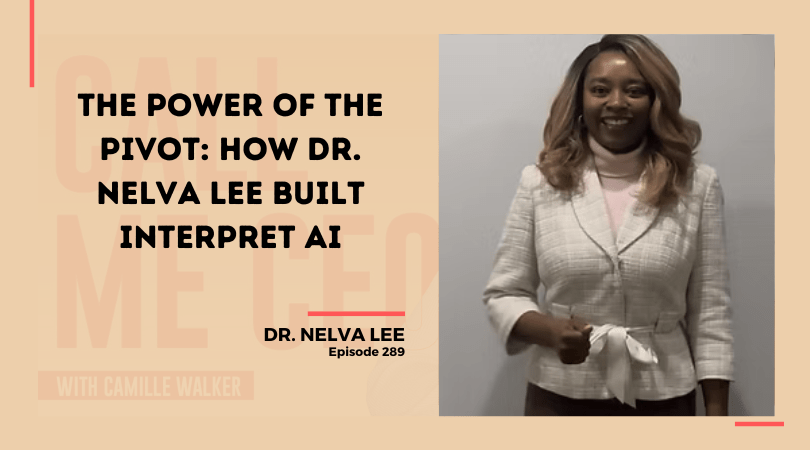
The journey from hospital administration to tech-enabled language access reveals how necessity, values, and timing can align to shape a meaningful career. Dr. Nelva Lee began on a nursing track, then pivoted into hospital leadership after seeing how little agency some clinicians had in complex systems. As director of patient advocacy, she saw a critical gap: patients with limited English proficiency needed qualified medical interpreters, not ad hoc bilingual helpers. The stakes were life and death. Yet Georgia lacked rigorous, accessible training. She proposed a solution, got a pass from leadership, and built it herself. That choice set off a chain reaction of entrepreneurship, one grounded in standards, student outcomes, and real-world needs.
The interpreting profession demands far more than language fluency. Medical terminology is a language of its own. Interpreters must navigate confidentiality, cadence, and ethics, signaling when to pause for accuracy and clarity. Dr. Lee designed a college-level curriculum with textbooks, essays, live practice, and proficiency assessments. She outsourced language qualification to specialists and leveraged early online tools like Skype, then Zoom, to bring high-quality training statewide. Skeptics claimed you couldn’t teach it online; graduates proved otherwise by passing certification exams at high rates. The model’s rigor, structure, and student support filled a regional void, demonstrating that standards, not seat location, define quality.
Life reshaped the mission. When her toddler began showing signs of autism, Dr. Lee needed flexibility without sacrificing purpose. Running her program from home gave her proximity and presence while still delivering outcomes. She replaced late hospital meetings with focused work blocks, leaned into checklists, and reclaimed evening hours as needed. Over time, her alumni asked for something new: remote work opportunities. She listened and in 2017 launched an interpreting agency. As algorithms, ads, and a pandemic shifted demand, she evolved again, focusing on service delivery where interpreters could log in for phone or video calls and find dignified, flexible work that protected accuracy and access.
Interpret AI emerged from both vision and humility. AI can speed triage and handle routine language tasks, but it cannot replace human judgment in cultural nuance, pediatrics, or care for people with cognitive or learning differences. The agency blends automated intake with a seamless handoff to human interpreters, allowing clients to start fast and escalate to expertise. This hybrid respects industry standards and patient safety while embracing innovation. It’s a blueprint for responsible AI adoption: let machines do the simple work, empower humans where empathy, context, and ethics matter, and design the bridge so switching is effortless.
Leadership underpins each move. Dr. Lee honed her style by reading, taking courses, and delegating as soon as a role outgrew her single set of hands. She documented processes, trained alumni to lead live sessions, and measured quality. For decisions, she leans on Stephen Covey’s quadrants—distinguishing urgent from merely loud—and on prayer to align choices with values. Her daily routine aims for a “perfect day” through practices that fuel performance: meditation, exercise, healthy food, sleep, and time with family. Work takes care of itself when energy and meaning come first. That same philosophy shapes her advocacy for education: give students vocational pathways, not just diplomas, so they graduate workforce ready and confident in their next step.
The story doesn’t end with a successful agency. Dr. Lee now champions broader change by running for state superintendent, proposing that every high school graduate earn a vocational certificate alongside a diploma. Many teens aren’t AP-bound, and even college-bound students benefit from applied skills that pay. Vocational programs often fit within six to eighteen months, making junior and senior years a launchpad, not a holding pattern. It’s a practical solution to a national skills gap, a better return on school budgets, and a way to dignify diverse paths. From hospital floors to startup sprints to policy, her message stays steady: build systems that serve people, meet needs with rigor, and let purpose lead the pivot.
Resources:
Website : http://drnelvalee.com/
The Ultimate Time Audit & Productivity System (Freebie)
Grab it here: TIME AUDIT WORKBOOK
How to Hire Your First VA for $27
Get it now: GROWTH CHEATSHEET
Discover Your WHY – Free 5-Day Workshop
Sign up for free here: DISCOVER YOUR WHY
The Mom Balance Playbook (Freebie for Managing the Mayhem)
Download here: MOM BALANCE PLAYBOOK
Hire a VA or start your VA business here: https://camillewalker.co/
5-Minute Meditations for Kids Podcast
Listen & subscribe here: APPLE SPOTIFY
Top 100 Mompreneur Podcasts: https://podcast.feedspot.com/mompreneur_podcasts/
Connect with Dr Nelva:
Follow on:
Instagram: https://www.instagram.com/votenelvalee/
LinkedIn: https://www.linkedin.com/in/dr-nelva-lee-a4a885314/
Company: Interpret AI
Connect with Camille Walker:
Follow Camille on Instagram: www.instagram.com/CamilleWalker.co
Follow Call Me CEO on Instagram: www.instagram.com/callmeceopodcast
Dr. Nelva: 0:00
From the industry standard, we are also understand that human interpreters, there's so certain interpretation scenarios that AI will never be able to replace.
Camille: 0:19
So you want to make an impact. You're thinking about starting a business, sharing your voice. How do women do it that handle motherhood, family, and still chase after those dreams? Well, listen each week as we dive into the stories of women who know. This is Call Me CEO. Welcome back, everyone, to Call Me CEO. This is your host, Camille Walker, and here we share mothers building businesses and making impressionable, amazing life choices that sometimes don't seem like they are the path that we choose in the beginning, but we are led to pivots and changes that take us where we actually need to go. And so today we are going to be having a powerful reminder of that story through Dr. Nelva Lee. She is the founder and CEO of Interpret AI. After years of hospital administration, she decided that she saw a critical gap in communication and language access. And instead of ignoring it, she built a solution. And so in this episode, we're going to talk about what a traditional career can look like to pivoting to entrepreneurship and the bumps of motherhood and how that all comes together. And I'm so thrilled to have Dr. Nelva Lee on the episode today. So grateful to have you, Dr. Nelva Lee. Thank you for being here.
Dr. Nelva: 1:34
Thank you so much for having me.
Camille: 1:36
Yeah, so we got to know each other a little bit before we started recording. And I love that your story is so much about helping people looking that thinking you're going into hospital administration, which is a huge job, huge, stressful corporate job from the very little I know about it. And then saying, okay, I'm going to pivot this and actually having it help you out a lot in your life and especially with your family and every all the demands that you have on you. So please tell us a little bit more about you, where you're from, and how this journey got started.
Dr. Nelva: 2:10
Definitely. Well, again, thank you for having me today. Uh, so a little bit about my background. I decided very early on in high school uh that I loved hospitals. I used to volunteer every weekend at a hospital and I wanted to work there. So I thought the solution was to become a nurse. And so I started uh my college career in nursing school. Uh, but then what because I had obtained my nurses aid certification in high school, knowing that I was gonna, you know, go to nursing school, I was you know talking to different nurses who were my co-workers and realized how little agency nurses had. And so I changed my major to health care administration. And the goal was to be a hospital CEO one day, hospital president. And so I was working my way up after college. I got my bachelor's and then my master's in healthcare administration, and I had been hired as a director of patient advocacy at the Grady Health System, which is a large public hospital in Grady. And I was working my way up the ladder. And one of the programs in my department was interpreting services. And at the time, this was in the early 2000s, we realized that there was very little uh really qualified interpreting training programs in Georgia. So they would have them, you know, in California or up in Boston, but not so much in the state of Georgia. And I wanted to have, you know, a solution to this problem. Went to the CEO of Grady at the time and shared my idea to start a training program. He passed on it, but I decided to start my own. I had already been an adjunct professor and I had been trained in curriculum development uh at the time I was teaching healthcare administration as an adjunct. And I decided to start my own interpreting training program. And so I started it in 2004. And just at that time, my son, who was two, going on three years old at the time, he started exhibiting autism symptoms. He was brilliant, you know, very high IQ, but socially had some difficulties. And I really had kind of like a come to Jesus moment and realized that he needed more of his, more of my time, more time with this mom. And so it turned out that it in retrospect, really, because hindsight is 2020, right? In retrospect, it was the perfect solution for him for me to be able to step back and work from home and start my own business at the very same time.
Camille: 4:47
And so I started by Oh, sorry, I was going to say, so let just so people may not understand what interpretive services are, what that means, can you describe that a little bit more for us?
Dr. Nelva: 4:59
Definitely. So if you go to a hospital and you don't speak the language, or even if you speak the language, possibly to get by, but when you go to a hospital setting, you want the doctors to understand what you're saying because it's a life or death situation. And so here in the US, uh, it's a requirement for hospitals to use qualified interpreters. So you can't just say, hey, who speaks this language? Because it's not just about being bilingual, it's also about knowing medical jargon. It's also not about which is its own language in for everyone.
Camille: 5:31
Yeah.
Dr. Nelva: 5:32
Exactly. Medical language is its own language, and also you have to know confidentiality rules, you know, HIPAA laws, et cetera. You have to know proper cadence, you know, um, interpreters know when to stop a provider and say, hey, I need I need to be able to interpret this now, uh, in order for me to be accurate. So it's it's a whole training program involved in in becoming an interpreter. We have to qualify you that you're actually proficient, uh intermediate or above, in the languages that you're claiming to interpret, both English and in your target language, and then you have to have gone through a training program. And so that is what I provided uh in the state of Georgia uh for the industry.
Camille: 6:15
So you started that business in 2004 and was there a specific time you say that your son you found out that he had autism or that you were thinking that that was possibly what was happening. Was there a specific moment that you made that pivot and what was that like? Was that hard for you to decide?
Dr. Nelva: 6:34
It was incredibly hard. I'm not gonna sugarcoat it. It was a very difficult decision. So not only was I my family faced with going from a two-income to one income, right? Because starting a business is it's not like you just start making the same amount of money that you were making at your job, right? Initially. Uh and then I had to also um just it was just a very difficult decision because personally my my goal was to become the CEO of a hospital someday. Uh it was you were in high school, yeah. Exactly. It wasn't to be a stay-at-home mom, it wasn't to, you know, be you know, start up my own business. That was not the goal. And so these were all life changes that were coming at me very quickly. Uh, but but I really uh I want to tell your listeners, I always lean into guidance from from my heavenly father. And so I really prayed about it. My home, my my husband and I prayed about it and had a peace about making the decision, even though we started to, we had to start skipping on on different things, you know, when you when you have to have when you have a smaller budget, you have to start uh looking at ways to save money. And so we had to do all of those things initially.
Camille: 7:49
Well, and I would think because the intimate way that you knew and understood how a hospital ran, you were able to create a business for this service that most people wouldn't understand. Would you agree with that?
Dr. Nelva: 8:02
Definitely. So I was the recipient of this need, right? While I was a director. And so I knew exactly what was needed. I knew exactly what the training program had to come, you know, what components were needed to have to have a successful interpreter. Uh, but also because I had been trained in curriculum development. Uh, so it all of those skill sets came into play when I when I started this business.
Camille: 8:27
What gaps did you see in this service and knowing that it needed better, that people deserved a better service?
Dr. Nelva: 8:35
Right. Uh so as I mentioned, there were already exceptional schools in the West Coast and Northeast, but not so much in the south. And so this was in the early 2000s. I like to say that I started a trend because when I started the online program, uh most in the industry were like, you can't even, you can't teach this online because most of the programs were in person. And so I was able to dispel that. We used Skype at the time and then transitioned over to Zoom afterwards. But we they they realized that our interpreters, once they completed the program, passed the certification exams, you know, at a higher rate than others. And so we were able to prove that we were doing an exceptional job. So it was a very rigorous program. And I created it as a college-level program because I had, again, I had been trained by call by universities uh for curriculum development. So a lot of the programs that were really good were not college-level material. So I made sure that we had textbooks. I made sure that they had to complete essays and and all of that in addition to the live practice session. So it was a very rigorous program.
Camille: 9:48
Developing that program probably took a lot of editing and back and forth of making sure you covered all of your bases. Did you have other team members involved to help you write curriculum? Because I think, I mean, I have an education background and writing lesson plans is one thing. But then writing a curriculum for an adult level, like a professional level career, that's very challenging. How did how were you able to manage all of that?
Dr. Nelva: 10:15
So I wrote it as if it was a college level course. And so, like I said, I had already been developing college programs. And so I always use the textbook as my as the basis, and then I go from there and then I fill in around it. And so I used the textbook as the basis for the reading material that they had to complete, the assignments, the writing assignments that they had to complete. And then I also made sure from the industry perspective that they had the live practice sessions that were required for the industry. Uh, I made sure that we made sure uh we provided the qualifications, the language qualifications. So I had uh I outsource that to actual companies, that that's all they do is qualify languages. And so we we put all these things in place and it was a very comprehensive program. So there were no gaps because of that. I knew what the industry required because I had worked alongside my interpreters and they knew what the industry required. And I knew from a college level what I wanted my students to go through, the rigor that I wanted them to go through.
Camille: 11:21
Yeah, yeah, that's really cool. I mean, all those pieces come together where that background is invaluable, right?
Dr. Nelva: 11:29
Correct.
Camille: 11:30
Would you say you talked about your son and discovering that he needed more of your attention and time? How did you make that transition and how did you make it? I mean, it's just that age-old, how did you balance it all with you his needs and building this new business, going from CEO to business owner CEO? I mean, there's a lot going on here. So, what were some of those challenges and solutions that you found in that time?
Dr. Nelva: 11:57
I I can honestly say that working from home uh on the business was a lot less challenging than my job uh as the director at the at the hospital. Oh, yeah. My job at the as a director at a at a very busy, you know, public hospital was very intense. So I would leave, you know, I used to drop my son off early in the morning. My husband would pick him up uh from daycare, and I wouldn't get to see him till seven, eight o'clock at night, oftentimes. And they just they would love to, you know, I my quit time was five o'clock, but it was always, oh, we have a meeting, a pop-up meeting at five, you know, and uh and so that was my life uh prior to you know starting my my business. So when I tell you that starting my own business and working from home was a godsend because now he had his mom. Yeah, and so even though I was working, he was right there. And uh and so he had I would have I could stop whatever I was doing, send to him if not if needed. And so it was much more flexible solution. Uh so and I'm I'm a type A type of person. So I working from home doesn't work for everyone, yeah, right. But if you are a self-motivated person and you have, you know, you're like a list checker, you know, I have I love checking things off my list. Um, if I have to get things done, uh I get them done, even if it means once he's gone to bed, I can I can still work a little bit. So it works out.
Camille: 13:28
Yeah, how old was he when you transitioned from the hospital to starting?
Dr. Nelva: 13:33
He was a toddler, he was still going on three.
Camille: 13:36
Okay, so busy time, but you were able to kind of sort that out. Not kind of, you were because yeah, type A. I'm like, okay, you know you're that you know how to work hard with every all of your background and everything that you have going on. So it really shouldn't come as a surprise that you're like, yeah, actually, this was easier for me. I was running a whole hospital.
Dr. Nelva: 13:56
It was, it was so what would you say?
Camille: 14:00
I so I want to transition a little bit into what your business offers now, right? But then I want to go into some of your time-saving and balancing act just for our listeners to kind of get a feel for what things that have worked for you that may work for them. So tell us a little bit more now that you're you've moved on from that coursework into something different because that evolved too. Tell us about that evolved time and then what it looks like now.
Dr. Nelva: 14:27
So the evolution happened because so many of my alumni uh were having difficulty finding remote work. So you can, as an interpreter, you can work either in person at a hospital, right? Which is what I was used to, or you can work remotely because a lot of um remote agencies, like the one that I currently have, you know, we we hire people from all over, you know, nationwide, and they're able to just log in when they want to work, and they're able to provide an excellent service, either phone or video interpreting, right? And so so many of my alumni had asked, why don't you start your own agency? And enough of them asked that I eventually started uh that um agency in 2017. And because of, you know, in the aftermath of COVID and with Google ads changing the algorithms, long story short, we ended up transitioning away from providing courses as our main business to providing the agency. And our agency is interpret AI. And so we have AI kind of start the general type of um of communication, and then our clients can switch over to a human interpreter.
Camille: 15:43
So smart. I'm like, look, imagine those people that are like, you can't do this online to now so many people. That's all we do. Where it's just goes to say that people, the naysayers, they're not the one directing and knowing really what's going on down the line, right? Or what your impressions are to follow your heart and what you need to be right. So, how would you say your leadership style has evolved from being a hospital admin to now running this business?
Dr. Nelva: 16:12
I I'll say that I've always had leadership skills, um, you know, really strong leadership skills. I've definitely honed them through the years. I take a lot of leadership courses and I read a lot of leadership books. Uh, but switching over, you know, very early on from nursing school to healthcare administration was in kind of a nod to my leadership skills. Because I knew that I wanted to be in a position where I was providing solutions because I'm I've always been a creative, you know, problem solver and recognizing that talent and and those natural leadership uh skill sets that I've had has always been something that I've tried to lean into, my strengths. Yeah. So for sure. And so transitioning to becoming a CEO in some ways was pretty seamless from being, you know, directing being a director at a at a hospital. Uh, but in other ways, when you first start off with when you first start a business, you're basically wearing multiple hats, right? So there's no delegating going on at the beginning.
unknown: 17:16
Yeah.
Dr. Nelva: 17:16
So you're you are doing everything on your own and and knowing when to delegate and knowing, okay, this has this job has outgrown my capabilities at this point, and I have to delegate, is very important uh for solopreneurs when they start and they begin, they believe that they have to do everything, and and knowing when to delegate and when to let go is so important.
Camille: 17:40
Can you think of a time that happened with the growth of, especially with starting the agency, that that happened and how you were able to handle that?
Dr. Nelva: 17:49
Right. Uh I had to start delegating prior to starting the agency. So one of the things that I took pride in was those live sessions that I mentioned because that was like an industry standard. And so I would do them myself for many years. Uh, but it was it was such a like a scheduled time that it didn't uh provide for a lot of flexibility. But I was able to figure out exactly what I did, you know. So I did like a job description, just detailing every single uh thing that I did during those live sessions, uh, and provided that, uh, started hiring some of my alumni to do them. And because they had gone through the process, they knew what it looked like because I would I had directed them the live sessions myself. And so I trained them and sat in on a few of their live sessions, and I'm like, okay, you've got it. And until this day, I still have alumni, you know, that that did those live sessions. Now moving over to the interpret AI, that was really just recognizing where the industry was going. So we all, you know, you can fear, you can fear technology, you can fear changes, or you can embrace it, right? And so that's what we I we decided to do. So we knew that the industry was going to adopt and embrace AI at some point, but from the industry standard, we are also understand that human interpreters, there's so certain interpretation scenarios that AI will never be able to replace. So primarily things dealing with culture, uh, dealing with children or those that have um other types of uh mint mental or learning disabilities, you're never gonna have a machine to be able to replace a human in those situations. And so being able to marry the two is so important. And who best to do that than those that are in the industry.
Camille: 19:46
Yeah. I like that you bring that up because I think you're right that many times, especially there are so many even service providers. My husband runs a law firm and he even talks about you know, paralegals or things that attorneys do that now AI can do in it in a pinch, or there's a lot of fear around it. And I think that like you're saying, you have to put yourself in a position where you're willing to change and flow and move with those pivots and that change and say, well, this is this is the future of how this is going. So we need to embrace it.
Dr. Nelva: 20:20
Right. And I think if you embrace it from the industry standpoint, then you're not taken over by someone that doesn't really understand your industry. So, say, for example, your husband's law firm, if they decided, okay, we're gonna allow these things to be done by AI, you can do it right from our from our website. And then when you realize that you need an actual lawyer or an actual paralegal, you're right there. And we can pick up where that was uh was not able to provide you the best service at that point.
Camille: 20:52
Can you tell me a time, maybe one of the hardest moments of transitioning in your entrepreneurial journey and how you moved through it?
Dr. Nelva: 21:02
Well, I would say when I first started the program, just getting explained to the industry why an online program was needed, you know, because they were so used to doing it in person for so long. Um, but there but then nobody was moving to Georgia to provide us for the training. So, you know, explained to them that in places like Utah or even in places like California, they would have very few in-person uh training programs. So people had to drive four hours just to get to them. So an online program was needed. And so that is in and once they realized that it was a very rigorous program, the the naysayer stopped. But initially it was just convincing the industry. So you might yeah, you might really believe in something, but convincing those that are that are used to doing things the way that they've always done it, it it can be a bit daunting.
Camille: 22:01
When you are faced with indecision as a leader or as a mother, what are some of the ways that you help yourself to make decisions?
Dr. Nelva: 22:14
So you mentioned earlier what are some of my tricks of the trading.
Camille: 22:18
Let's get into it. I would love to hear.
Dr. Nelva: 22:20
So um I I love this book called uh The Seven Habits of Highly Effective People by Stephen Covey, right? And you and you're probably right. And and in it, he talks about the four quadrants, right? So whether something's important but not urgent, important but urgent, not important but urgent, not important, not urgent, right? You put things in those quadrants and it really helps your decision making. If you can sit down ahead of time before you're faced with a crisis and put things in their proper quadrants and prioritize what it is that you want in those quadrants, then when you're faced with a decision, you can just go through that really quickly and say, really, how important is this? And is it something that I absolutely have to do now versus something that I, you know, I can put off for later? And and I can tell you, here's the here's the clincher. Okay, so many people believe that everything is urgent, but really it isn't. And this is how this is a way to decide if something is truly urgent. If you are faced with a cancer diagnosis, uh, you know, God forbid, how urgent is this? And that will tell you whether it's truly urgent. Because we we often think that everything that comes on our plate or comes through our desk is urgent, but it really isn't. And so I I I will highly recommend your readers, your listeners to read that book. Uh, it it really changed my life. And I read it early on. I looked I read it in my early 20s, and it just guided, you know, the way that I operate in you know, for life. So that really helps with my decision making. And as and as I mentioned, also just really leaning into prayer, you know. Uh I believe that I'm guided by my higher power and um like my relationship with God is is very important to me, and it definitely guides a lot of the decisions. It it helps me figure out what's truly important.
Camille: 24:20
Yeah. Oh, I love that. I'm curious if you've ever read The Eighth Habit. He wrote another one called The Eighth Habit. You should check it out if you like that one. There's also one called Highly Effective Uh Habits for Teens. If any of you are listening and have teenagers and want to check that out, an amazing series. So I'm curious with that one being your favorite, do you listen to it or read it once a year, or do you feel like you have it memorized at this point? How often do you like check back in?
Dr. Nelva: 24:47
So, this is one of the things that I do. So if you ever have a staff, I you know, read it with your staff. And so I've done this several times with a group of staff members. And so we'll we'll, you know, get an audio book and just kind of read 10 to 15 minutes, you know, until it's well, we've gone through the entire book and just kind of do discussions afterwards. And I truly believe that if you invest in your staff growth, that it reciprocates because they they believe that you're not just, you know, their boss, but also invested in their growth, right? And and so whether or not they stay with you or move on, it's it becomes like a a partnership, if you will. And so they they want to give you, they want to give more of themselves and more of their time because they believe that you're invested in their growth. So this is a really good book to invest in your staff's growth.
Camille: 25:38
Yeah, that's a great tip too, not just for yourself, but to have it as a as a leader and for your team. I love that. What do you think about in terms of I always love to ask this question, and you are the perfect person for this, but do you have a morning and evening routine or something that helps to refuel you for your day or at the end of week? What practices do you do?
Dr. Nelva: 26:01
I do, I have what my perfect day looks like, and I try to hit like I have like five to seven things on what my perfect day would look like. If I had a perfect day, what would it include? And I try to do at least five of those every day. And so that's uh prayer, meditation, eating healthy, exercising, getting a good night's sleep, having some quality time with my spouse and my children. And so if I can, my perfect day includes that. And as you can see, it had nothing to do with with work. And so if you are a person that, you know, I you know, I'm assuming everyone that's on this on the listening to this podcast loves to work, right? It gets passion and fuel from that. So the reason I I don't include work in there, because it's gonna happen, right? I don't have to put that in there. So my perfect day has to do with things that are going to energize me to do that work. It's gonna fuel me, it's gonna give me meaning, and then the the work is gonna happen regardless, right?
Camille: 27:05
That's really I've never heard someone say it like that before, but it's so true. Because you're like, you know, you're it's either you're obligated to do it or you're you do it because you love it, you like it, it's going to happen. So it's like filling in the gaps of, but what makes me feel more alive and more purposeful in my everyday?
Dr. Nelva: 27:23
And it actually allows me to do my work better, for sure, by the way. Yes, because I I'm not super stressed because of the meditation and the prayer and the workouts, right? And eating healthy, all of these things actually allows me to be a better uh CEO, a better boss.
Camille: 27:40
I love that.
Dr. Nelva: 27:41
And a better mom.
Camille: 27:43
For sure. Yeah, I was actually going to ask you, what is some of the best advice you've ever received that's been impactful?
Dr. Nelva: 27:51
Oh gosh, I've received so much. Uh I believe in surrounding yourself with people um that you on, that you believe that have done it better, right? Or are doing it well, that are kind of a few steps ahead of you. And so I've always surrounded myself with older women that have children that you know are older than mine and they're doing great. I'm like, okay, I want to know what they did, you know, how they how they did that. And so I'm I'm constantly, you know, surrounding myself with mentors. So I highly recommend that. And I also have those that I meant, you know, I mentee, you know, my mentees rather. And so um I have this group called uh Soul Sisters, and we basically meet every Saturday morning. And like I said, there's some that are much older than me and a few that are younger than me, and we meet to walk three to four miles a week, but we also pray for each other and share life with each other. And so I can tell you that I have gotten so much invaluable advice and support from that group. So I would say that's that's my other little tip for getting. I love that.
Camille: 29:01
So are you are you meeting digitally to walk or it's in person?
Dr. Nelva: 29:06
It's in person, yes.
Camille: 29:08
Impressive. And what time are we meeting on Saturday mornings?
Dr. Nelva: 29:11
7:30 every morning. So we walk for a good, I would say normally it's about four miles. Sometimes we do a little bit more.
Camille: 29:21
So I love that. That's really neat. And would you say that is this a group that you put together, or is it something that organically happened, or who put it together?
Dr. Nelva: 29:32
So initially it was my church kind of encouraged us to start little groups where we could meet in informally outside of church. And it just grew. We're we're not, it's just not one church. It's like several, several of us are from different churches, and yeah, so it's it's kind of grown grown that way. So we only invite people to join us. Oftentimes, you know, ladies will just show up just for the prayer. Um, we have had so many prayers answered, it's amazing.
Camille: 30:03
Oh, that worm is my heart. I'm like loving that idea. That is so cool.
Dr. Nelva: 30:08
Can I live in Georgia so I can join? I know.
Camille: 30:10
I'm like, I want to show up. That's amazing. That is so cool. So now that you're at this part in your life, I mean, you're really at a pinnacle of success. Has it changed how you see yourself in terms of going from more of a corporate role to now business owner? How do you see yourself and has that changed?
Dr. Nelva: 30:32
It took me a while, Camille, to just to let go of that goal to want to be CEO of the hospital. I mean, even though I was, I started my business, I still, you know, thought, well, one day I'll go back and you know, climb up the ladder. It was, it was, it, it was a very long process before I was just like, I'm a business owner, you know, and just kind of fully embraced it, you know, being very, you know, vulnerable and and transparent with your with your and your um and your listeners. Uh, but once I did, I just, you know, completely owned it, you know, like this, yes, this is this is who I am. And I'm a business owner and I'm proud of proud to do that. Um, but now, uh, as you know, I'm also running for superintendent of schools in the state of Georgia. So I'm wearing another hat, which is politician on top of that.
Camille: 31:23
So that's you wouldn't happen to be in Enneagram three, would you? Have you taken your Enneagram test before?
Dr. Nelva: 31:30
I have. I have. It's been a while, so I can't even, I don't even remember what it's okay.
Camille: 31:33
I'm guessing one or three, because you're like, if I can add a hat, I'm adding it and I'm gonna do it the best that I can. That's amazing. So tell me a little bit more. What was your drive to run for office?
Dr. Nelva: 31:45
My experience with vocational schools. So when I was in high school, as I mentioned, I got my vocational school certificate, even though I was college-bound, and because I wanted a way to pay for school. Uh, but also I realized in in retrospect that it helped to get a really good job because it was sort of like a built-in internship. And then running my own vocational school and just the pride and the purpose that that gave all of my students. Uh, I just thought this is, we really need to have more vocational school options. And as you know, not every student is college-bound, right? And uh, even those that are college bound, oftentimes they have no idea what they want to go to college for. They just know, uh, you know, it's either that, it's going to college or getting a J O B, which is not going to pay the bills. So I feel that schools need to do a better job. We have these precious youngsters for a very short period of time, right? 8 to 12. Why not fully prepare them for the workforce while we have them? Right. And so most vocational schools are, you can complete them in six months to 18 months, the majority of them. A few of them require 24 months, maybe a little longer. But the majority of them can be completed uh for those that are, you know, junior, senior year in high school. And so my proposal is that we should be able to have all of our students, all of our graduates graduate not only with the high school diploma, but also with a vocational certificate so that they're fully workforce ready on day one. And I love that.
Camille: 33:23
I actually have a senior in high school right now, and he's finishing up his second half of his senior year. And I'm like, hmm, maybe we should look into that. He is planning to go to college, but it wouldn't hurt. I feel like that senior year of high school anyway, most students are having a hard time finding a lot of purpose. At least my son, he's like, My bed has more purpose right now in the morning. He just doesn't, he's kind of over it. So the idea of making the goal of graduating from high school and getting a vocational um certificate, that's brilliant.
Dr. Nelva: 33:54
Yeah. Yeah. And those last two years for most students, they're not really working towards something new. Most of them, you know, unless you're like AP student, you know, a lot of the courses, you're you're pretty much done. And so um, why not utilize your time and our resources? Most states, I know in the state of Georgia, 50% of our budget, our school budget, goes to administration. Why not make sure that those resources are going to the students and ensuring that we're getting a good ROI, right?
Camille: 34:26
For our investment. So gosh, that makes a lot of sense. Well, you've got my vote. If I could get it wonderful. Yeah, yes. Well, that's awesome. Well, this has been so neat to hear about your life and your mission and everything you're doing moving forward with helping these kids. Please tell our audience where they can learn more about you and your program and also businesses that can take advantage of interpretai.
Dr. Nelva: 34:48
Definitely. So if you are a business or even someone that knows someone that needs interpreting services, interpretai.org. And it's just as it's as it sounds, interpretai.org. And then for anyone that would like to follow my campaign, and also I have my books also on that on my campaign page, and that's drnelvali.com. That's dr n.com.
Camille: 35:16
Awesome. Well, thank you, Nelva, so much. It's been such a pleasure to learn from you and to hear your faith choices and just how you have been able to navigate through life. It's been such a pleasure to have you on the show. Thank you so much for having me. You're welcome. Thank you. And to everyone who is listening, thank you for tuning in. If this story is inspirational to you, please share it with a friend. We want to have more women know about resources in making decisions in life as well as finding inspiration from each other and what we have to offer. So thank you for tuning in. We'll see you next time. Hey, CEOs, thank you so much for spending your time with me. If you found this episode inspiring or helpful, please let me know in a comment in a five star review. You could have the chance of being a featured review on an upcoming episode. Continue the conversation on Instagram at Call Me CEO Podcast. And remember, you are the boss.
Sign up to receive email updates
Enter your name and email address below and I'll send you periodic updates about the podcast.